
Pocatello Housing Plan
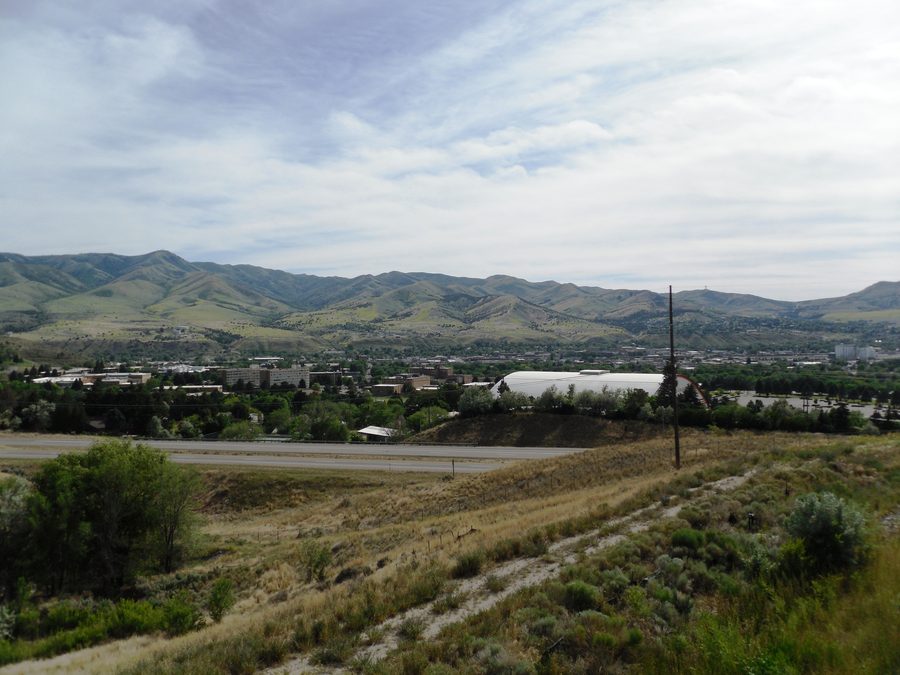
Photo: Jordan W., CC BY-SA 3.0, via Wikimedia Commons
Spencer served as Data Scientist on this engagement for Stantec, adopted by the Pocatello City Council in July 2026. The plan combined economic, demographic, and housing-inventory analysis with a community-wide survey (291 responses) and stakeholder focus groups to understand the gap between Pocatello's housing stock — 57% of it built in the post-war era — and the community's current and future needs.
The study found median rent had climbed to $860 and median home values to $335,000, both outpacing the area's roughly $58,000 median household income, and identified new housing production trailing far behind comparable Mountain West metros even as vacancy rates tightened. A detailed gap analysis found the most acute shortage among households earning less than 50% of the area median income, alongside a broader mismatch between the community's aging, oversized housing stock and its increasingly smaller households.
The plan translated those findings into a menu of strategies for the city to consider, spanning production tools like accessory dwelling units, missing middle housing, and tax-increment financing; preservation tools like naturally-occurring affordable housing programs; and site-specific strategies for downtown and infill redevelopment.